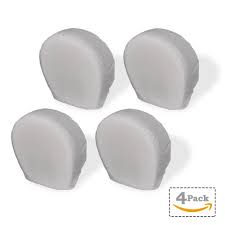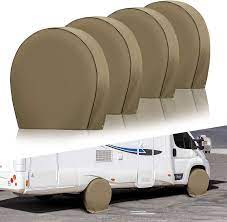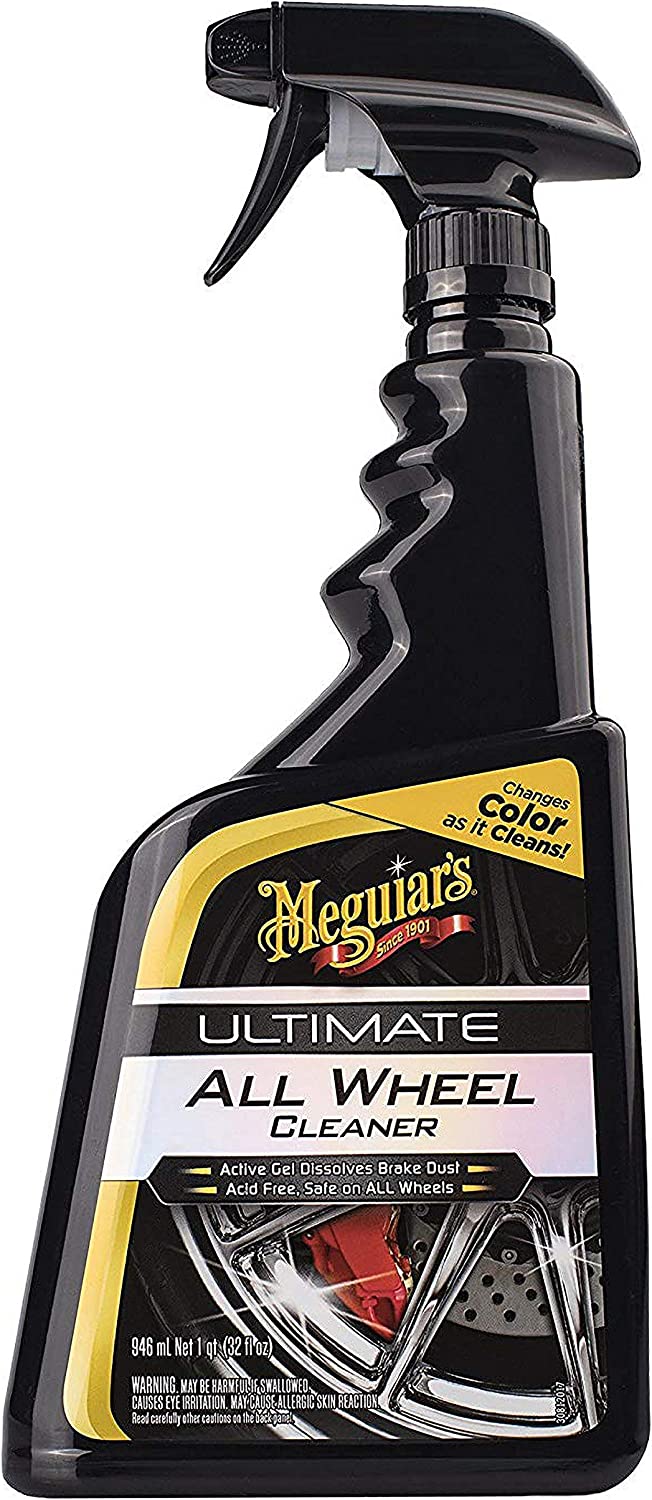
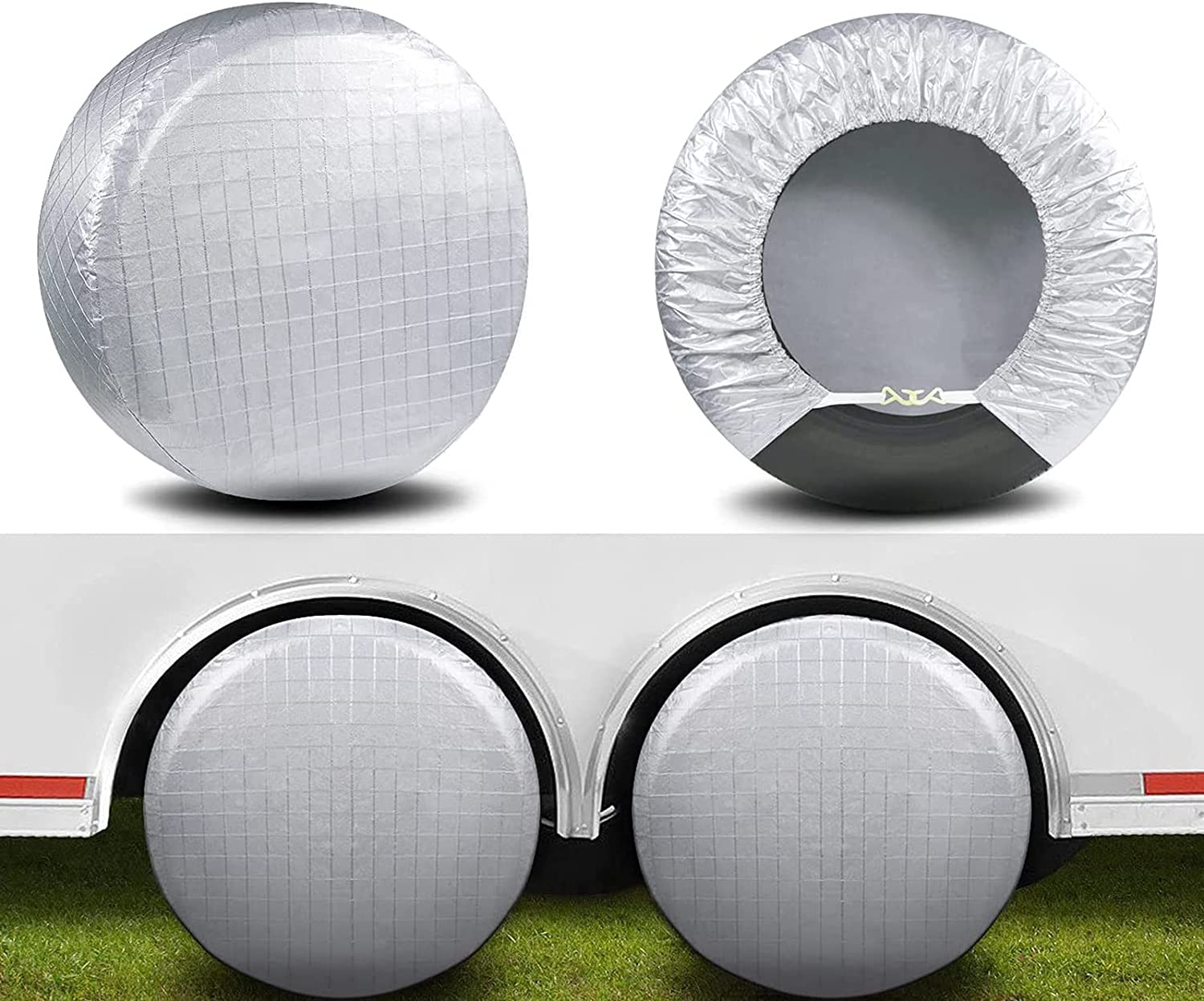
UV light is one of the main things that ages tires. Over time it dries the rubber, causes fine surface cracks, and fades sidewalls to a chalky gray. If your vehicle sits outside for weeks at a time, such as an RV, travel trailer, camper or a car in long-term storage, tire covers are a simple, cheap way to protect an expensive set of tires.
Types of tire covers
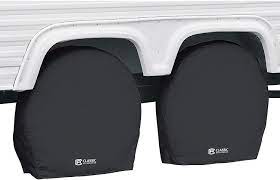
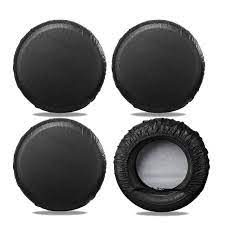
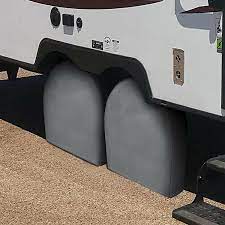
Wheel and tire covers for parked vehicles fit over the exposed part of each tire while the vehicle is parked. They're typically sold in sets of two or four and are the most common choice for RVs and trailers.
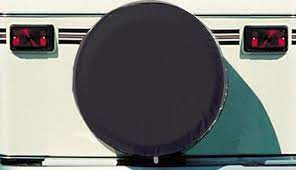
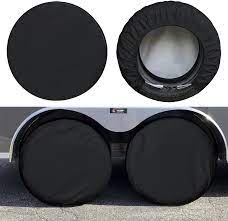
Spare tire covers fit over a rear-mounted spare on SUVs, Jeeps, campers and trailers. Soft vinyl covers are simple and affordable; rigid covers have a hard face plate for a more finished look.
What to look for
- Correct size. Measure the tire's diameter (or read the size on the sidewall) and check the manufacturer's chart. A cover that's too loose will flap in the wind; one that's too tight won't go on.
- UV-resistant material. Look for heavy-duty vinyl or coated polyester designed for long-term sun exposure.
- Secure fastening. Elastic hems, straps or drawstrings keep covers in place in high wind.
- Breathability or venting to avoid trapping moisture.
- Easy on and off. Handles or a simple design help when you're fitting covers on several wheels.
Tips for protecting tires in storage
- Clean the tires first and let them dry completely before covering.
- Inflate them to the recommended pressure, and check it again periodically.
- If possible, park on wood or a mat rather than directly on soil, which holds moisture.
- Move the vehicle a short distance every few weeks to prevent flat spots.
- Use a water-based, non-silicone tire protectant before covering for extra UV defense.
Here are the tire covers we'd consider for RVs, trailers and spare wheels.